 Chinese
  English
 Espa?ol
 Русский
 Current position:Home > News & Events > News
MBBR Carrier Media for Industrial Wastewater Treatment Challenges and Solutions
MBBR Carrier Media for Industrial Wastewater Treatment Challenges and Solutions
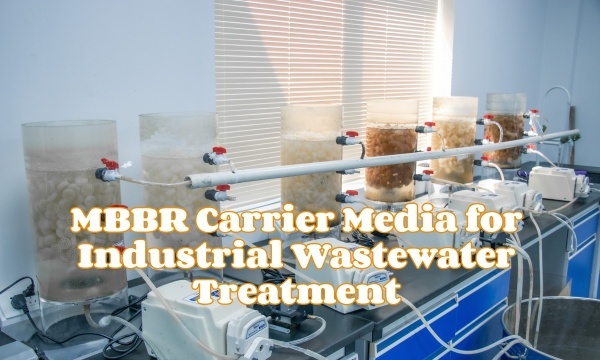
Industrial wastewater treatment is no easy task. Pollutant types vary greatly and loadings fluctuate constantly—two big hurdles for most treatment systems. That's why more and more plants are turning to MBBR systems. Their resilience and adaptability make them stand out. For those of us working with MBBR carrier media, knowing how to design these systems for industrial use and solve common problems is key to delivering reliable results. Let's break down the core points.
Key Design Points for Industrial MBBR Use
1 Variable Organic Load
Industrial wastewater rarely has steady organic contaminant levels. One hour the BOD and COD might be moderate, the next they spike. The MBBR system must handle these peaks without dropping treatment efficiency. This is where the right MBBR carrier media matters most. Carriers with optimized specific surface area and strong biofilm retention ability can buffer these fluctuations effectively—keeping the system stable even when loads jump.
2 Shock Load Resistance
Shock loads happen. A chemical spill, a sudden surge in pollutant concentration—these events can disrupt treatment. The good news is MBBR biofilms are adaptable, so the system can recover. But the reactor design and carrier choice are critical to avoiding failure. We often suggest oversizing key components or adding buffer zones. More importantly, picking carrier media with high mechanical strength ensures they don't break under stress, keeping the biofilm intact during shocks.
3 Custom Carrier Media Selection
Industrial wastewater often has harsh components—corrosive chemicals, abrasive solids, or substances that cause fouling. Using generic carriers here is a mistake. We always guide clients to choose carriers based on their specific wastewater. For example, petrochemical wastewater is highly corrosive, so polyethylene carriers are a better fit. Food processing wastewater has high starch content that easily clogs, so carriers with rough surfaces and evenly distributed pores work best. Chemical compatibility and fouling resistance are non-negotiable.
Solutions to Common Industrial MBBR Problems
Nutrient Imbalances
Many industrial waste streams lack enough nitrogen and phosphorus—nutrients microbes need to grow. Without them, the biofilm on the carrier media becomes inactive. The fix is simple: add automated nutrient dosing systems. These systems adjust dosages in real time, keeping the biofilm healthy and effective at removing pollutants.
pH and Temperature Control
Extreme pH and temperature kill off microbes fast. A pH too high or too low, or sudden temperature swings, will cripple the biofilm. Installing automated pH neutralization systems and temperature regulators solves this. They keep conditions steady—exactly what the microbes on the carrier media need to thrive.
Hybrid MBBR Systems
Industries like pharmaceuticals and petrochemicals face strict discharge rules. Basic MBBR might not be enough. That's where hybrid systems come in—combining MBBR with membrane filtration or activated carbon. High-quality carrier media are the foundation here. They ensure the biofilm performs consistently, so the hybrid system can hit even the toughest treatment targets.